Most of the life by the lake you only notice once you stop and look, like the stoneworts under the jetty, the mussels on the bottom and the bats on a summer evening. We have collected some of the species that live here, because it is both more fun and more important to look after something you recognise.
The water in Lake Husgärdessjön is usually clear and low in nutrients, but at the same time rich in lime, with a pH above 7. That is an unusual combination, and it suits plants that cannot cope with over-fertilisation or acidic water. Several of the Valle lakes have species that are red-listed and threatened.
The whole Valle area is of national interest for nature conservation and outdoor recreation, and seven nature reserves lie within a small area. The nearest, Ökull–Borregården, starts right next to the campsite.
How we look after the lake
Jetties on piles. We have chosen jetties on piles instead of floating jetties. They let more light down to the bottom, which the plants and animals under the jetty need. You may notice that some piles are slightly crooked. Every spring we have to put right what the ice has done over the winter.
An open shoreline. In the past grazing animals kept the shore free of reeds. Today we help out ourselves, so that the shallow water stays clear and sunny. That is exactly where the stoneworts thrive.
Invasive species. When there was a cottage area here in the mid-1900s, some invasive species also arrived, including garden lupin and Himalayan balsam. They push out the plants that belong here, and we are working to get rid of them. It takes several years, because seeds can lie in the ground for a long time.
Want to help?
Please do! Pick a big bouquet to have in your cabin or on the table during your stay. They are beautiful flowers, and every flower picked before it has set seed is one fewer that spreads. Here you may pick as many as you like.
Garden lupin: blooms in June and July, with tall flower spikes in blue, purple and pink. Pick them while they are in flower, before the seed pods have formed. Lupin seeds can lie in the ground and germinate for several decades, so every flower spike picked in time helps.
Himalayan balsam: blooms from July to September, with pink flowers on tall, juicy stems. Pick the flowers while they are in bloom, before the seed capsules have formed. The roots are shallow, so it is also fine to pull up the whole plant. If the capsules have already formed it is best to leave the plant alone, because they can shoot the seeds several metres when touched.
When the bouquet has wilted, put it in the residual waste container at the waste station, so that it goes to incineration. Never put it in the compost or in nature, because seeds that have started to form can ripen even after the flowers have been picked.
If you want to know more about invasive species and how to recognise them, the Swedish Environmental Protection Agency (Naturvårdsverket) has good information.
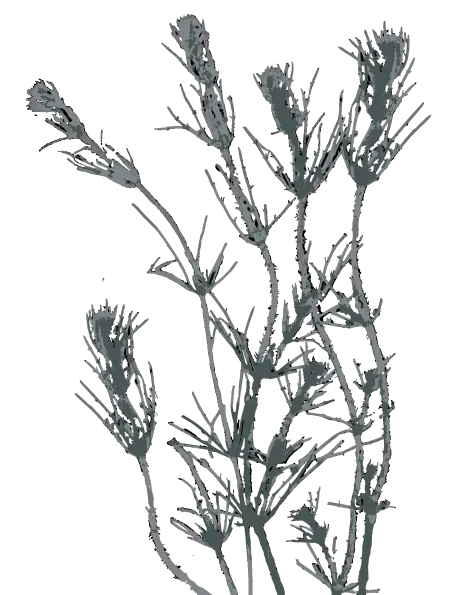
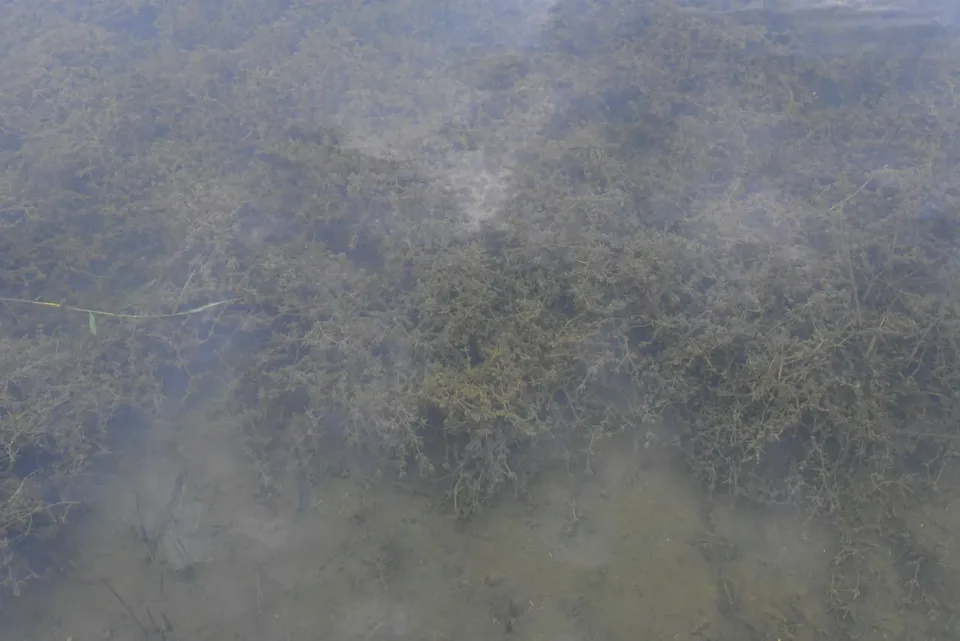
Under the jetty, in the shallow water, grows something that looks like small grey bushes made of stone. These are stoneworts. In the calm, lime-rich water a crust of lime forms on the stems and branches, much like on a coral. That is why they feel stiff and can look dead, although they are alive. In Swedish they are called kransalger or sträfsen. You could almost say they are Valle's coral reef.
Stoneworts have no roots but hold on with thin, transparent threads. They only thrive in clear water without over-fertilisation, so when they are there you know the lake is doing well. They also need shallow, sunny water. If the reeds were allowed to grow freely they would soon shade out the stoneworts and outcompete them. The reason they are still found by the jetty is that we keep the shoreline free of reeds, as grazing animals used to do. Six species have been found in Lake Husgärdessjön. The one you see by the jetty is probably bristly stonewort.
All six are currently assessed as of least concern.
Rough stonewort Chara aspera
Fragile stonewort Chara globularis
Bristly stonewort Chara hispida
Intermediate stonewort Chara papillosa
Coral stonewort Chara tomentosa
Delicate stonewort Chara virgata
Plants under and on the water
In the clear water grows a whole little forest that you see best from the jetty on a sunny day. On the surface, beyond the edge of the reeds, the yellow water-lily floats.
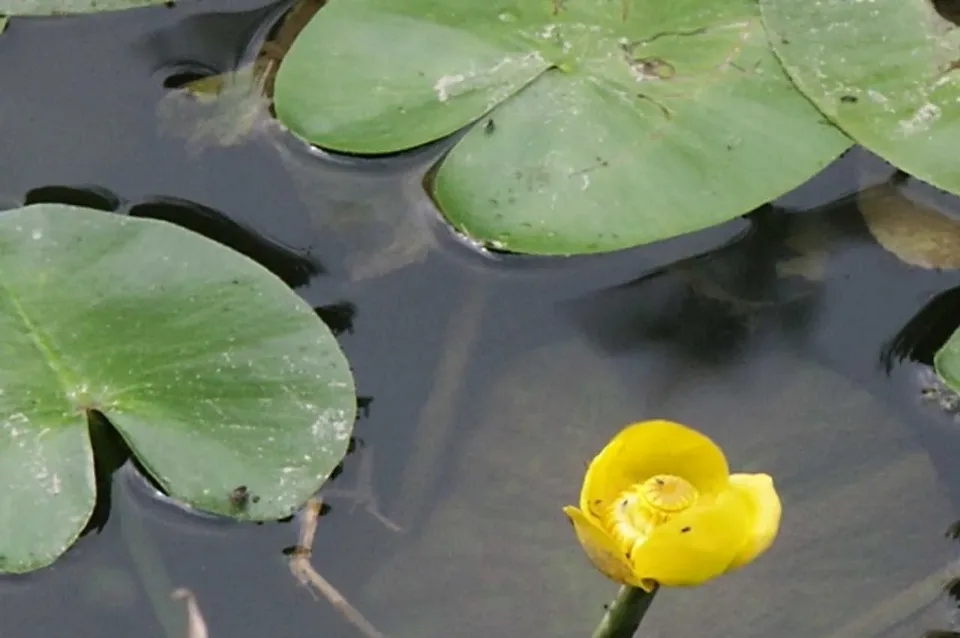
Yellow water-lily
Nuphar lutea
Large round leaves and yellow flowers on the surface beyond the reeds.
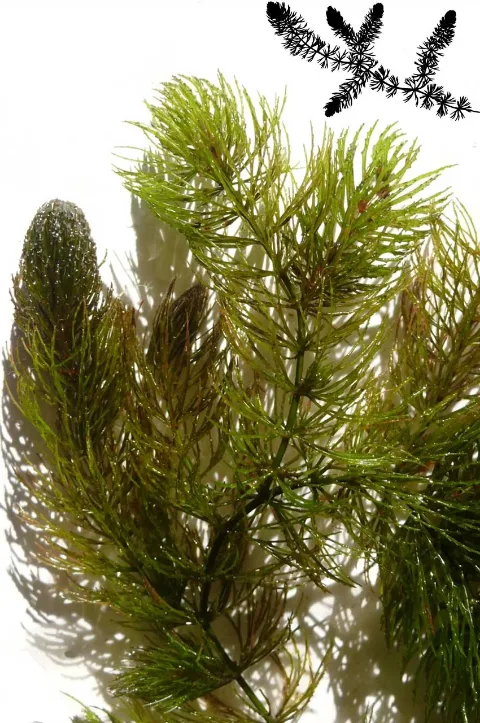
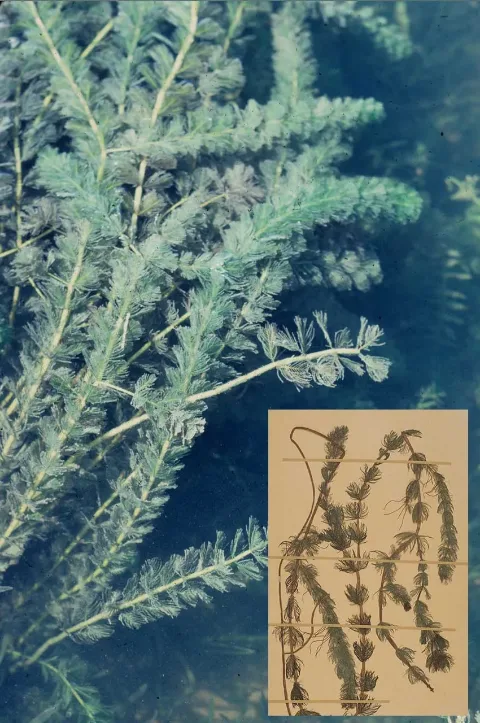
Rigid hornwort
Ceratophyllum demersum
Dark green, stiff whorls of leaves, entirely under water. Has no roots.
Whorled water-milfoil
Myriophyllum verticillatum
Feather-like leaves in whorls around the stem.
Spiked water-milfoil
Myriophyllum spicatum
Like whorled water-milfoil, but with small reddish-brown flower spikes that rise above the water in summer.
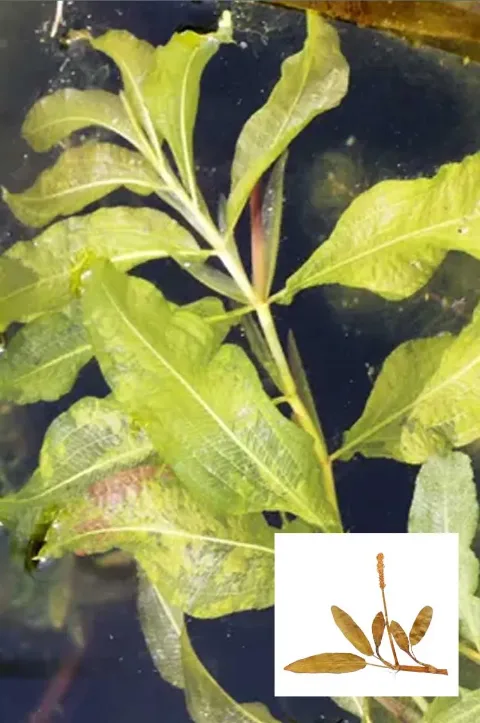
Shining pondweed
Potamogeton lucens
Large, glossy, almost transparent leaves.
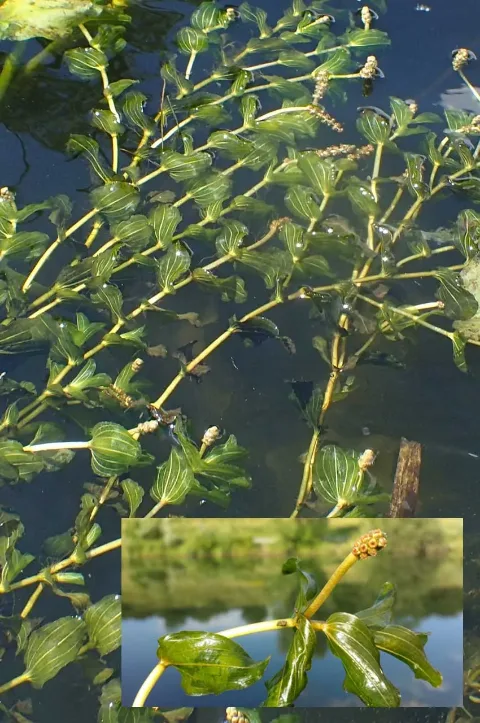
Perfoliate pondweed
Potamogeton perfoliatus
Leaves that clasp the stem.
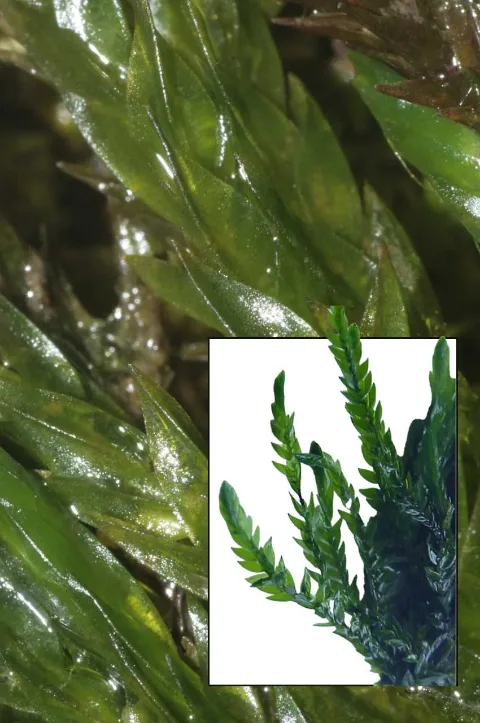
Water moss
Fontinalis
Dark green moss that grows on stones and piles.
Please pick
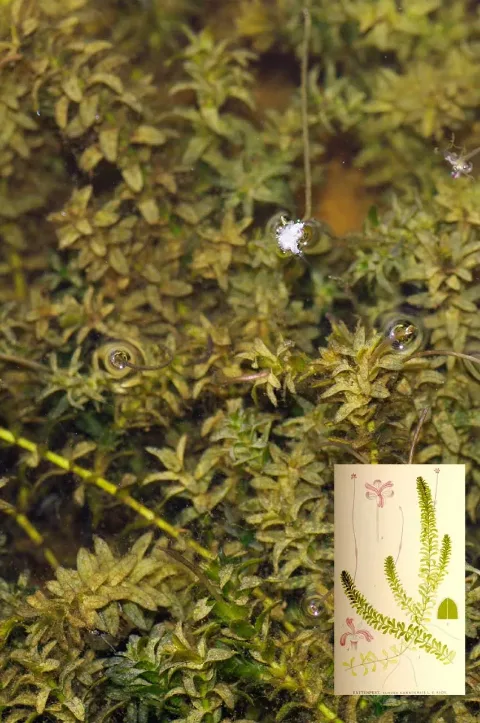
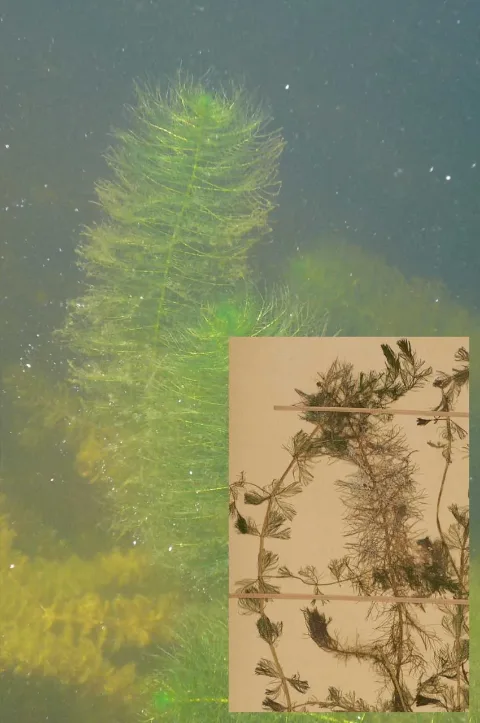
Canadian waterweed
Elodea canadensis
Small leaves in whorls of three. Originally from North America.
On the shoreline
The narrow strip where water meets land is the richest in flowers. Walk slowly along the shore in July and you will see most of them.
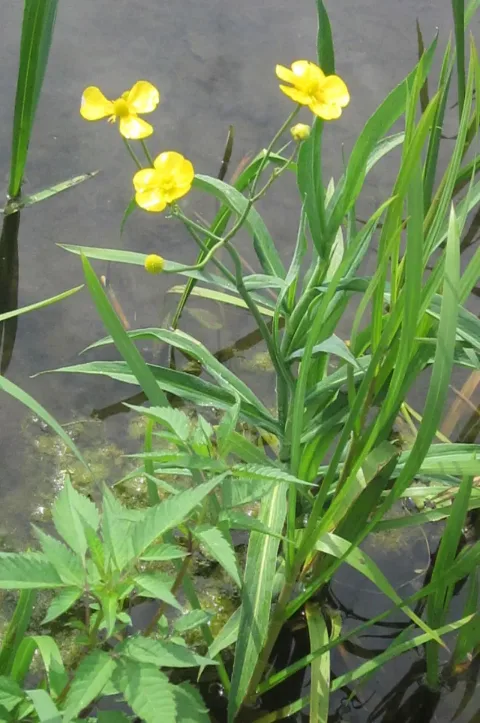
Greater spearwort
Ranunculus lingua
Large yellow buttercups on tall stems.
Poisonous
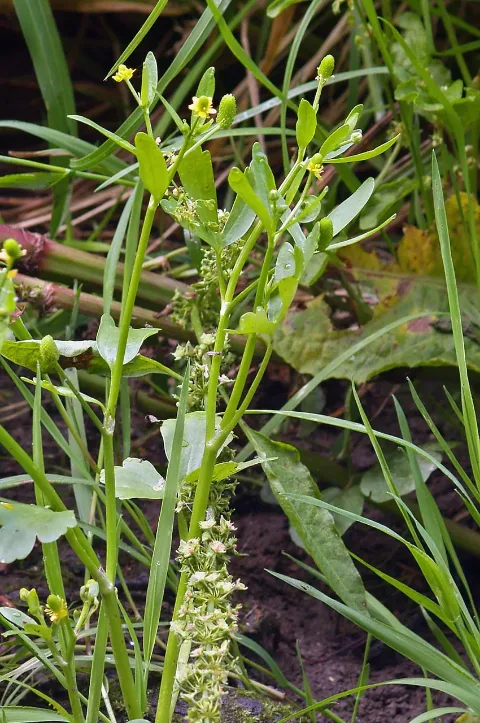
Celery-leaved buttercup
Ranunculus sceleratus
Small yellow flowers. Poisonous, the sap can irritate the skin.
Poisonous
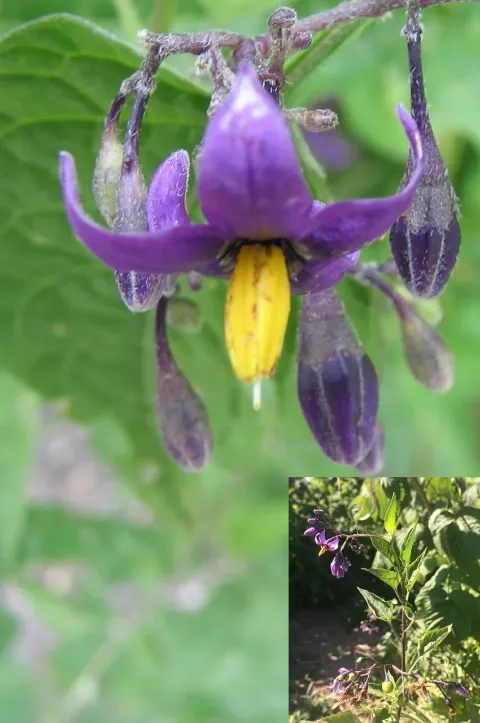
Bittersweet
Solanum dulcamara
Purple flowers with a yellow centre and red berries. Poisonous.
Very poisonous
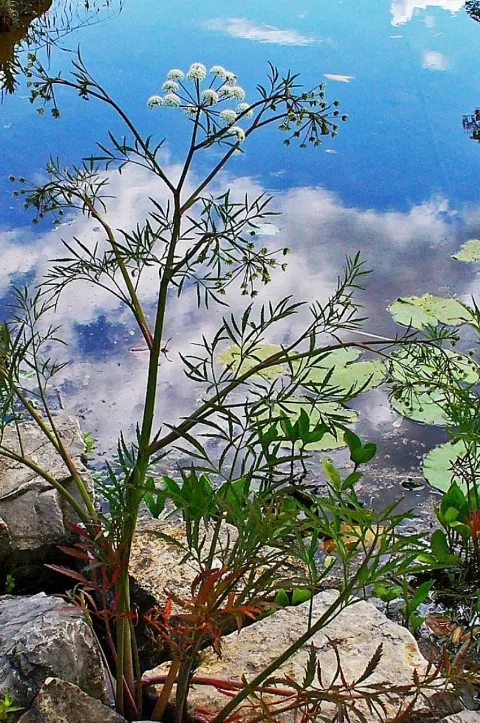
Cowbane
Cicuta virosa
White flower clusters. Highly poisonous, one of the most poisonous plants in Sweden. Do not touch it.
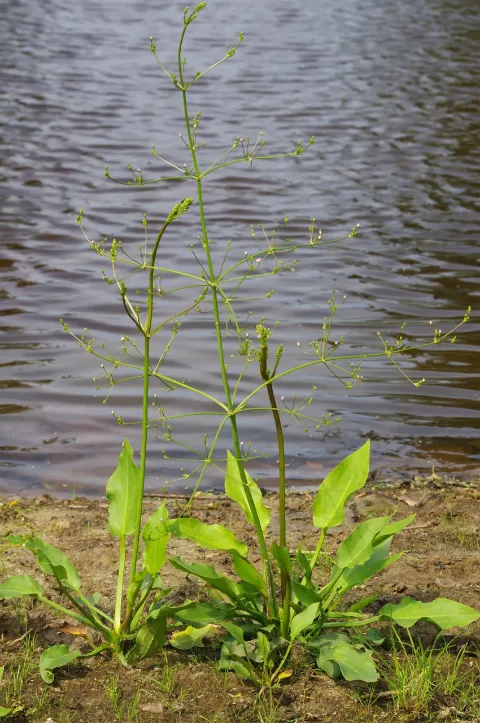
Water-plantain
Alisma plantago-aquatica
Small white to pale pink flowers in airy sprays.
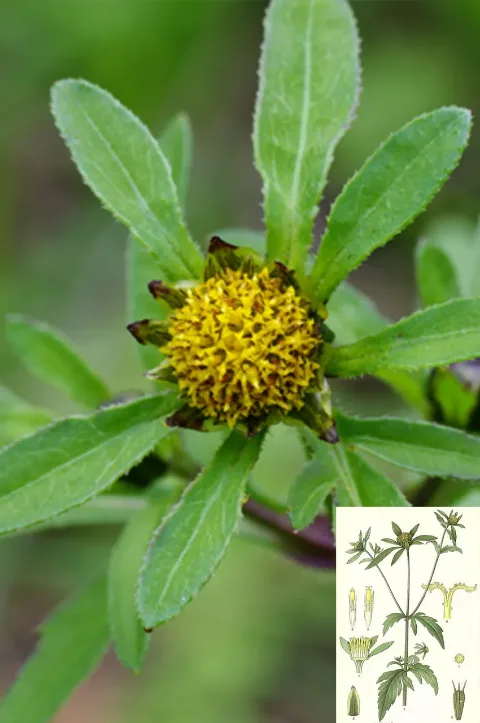
Trifid bur-marigold
Bidens tripartita
Yellow-brown flower heads and seeds that stick to your clothes in autumn.
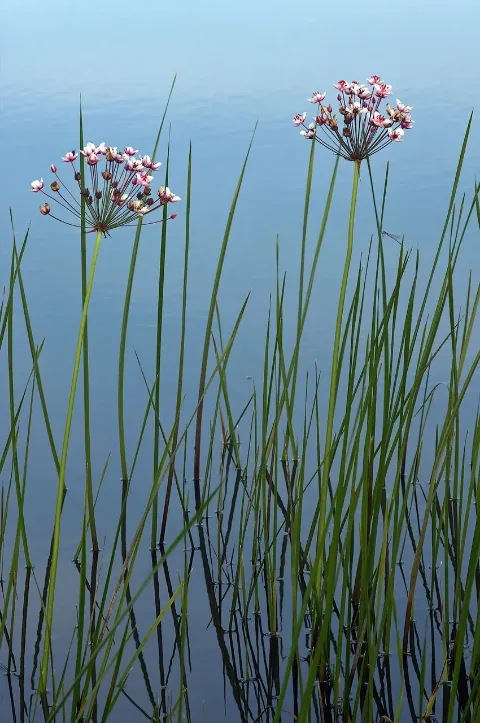
Flowering-rush
Butomus umbellatus
Pink flowers in a big cluster, one of the most beautiful plants by the lake.
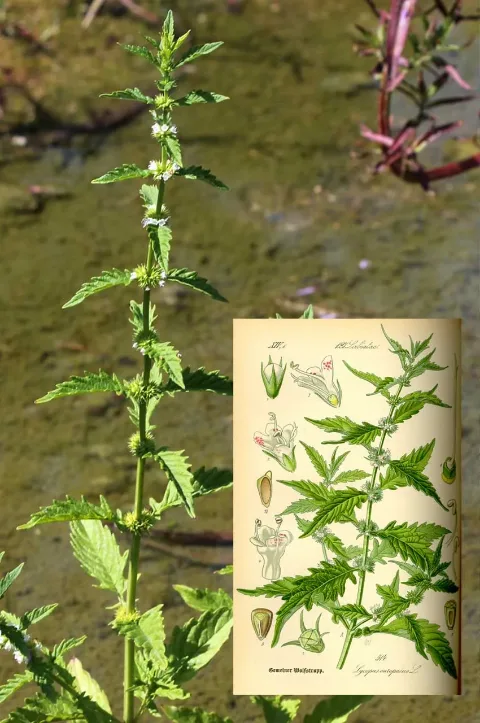
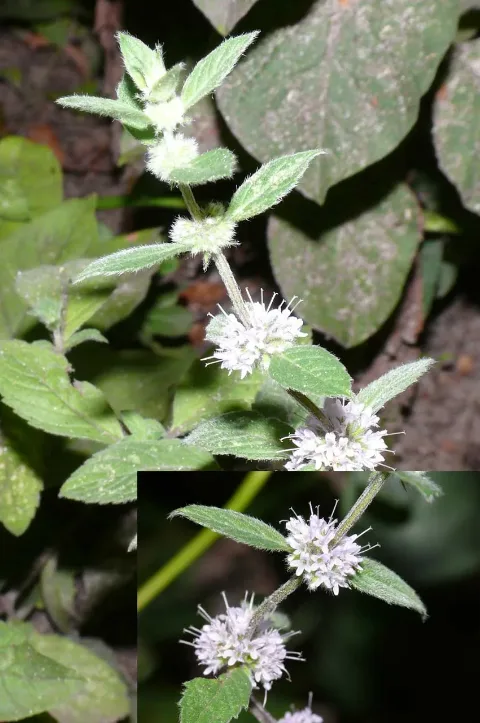
Gypsywort
Lycopus europaeus
Small white flowers in whorls, toothed leaves.
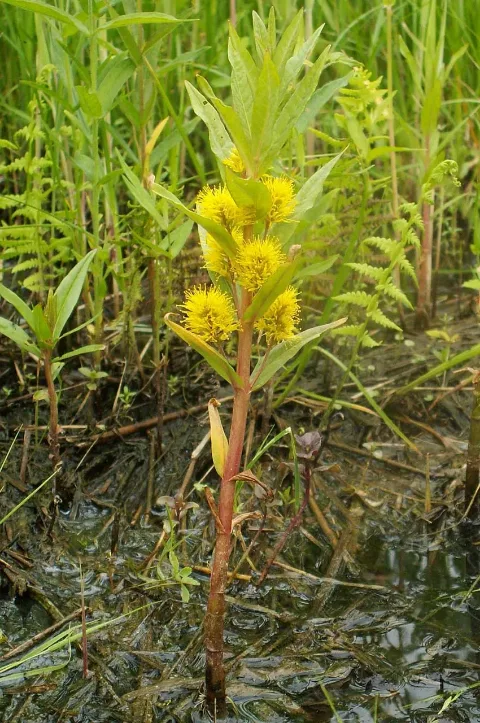
Tufted loosestrife
Lysimachia thyrsiflora
Small yellow flowers in dense tufts at the leaf joints.
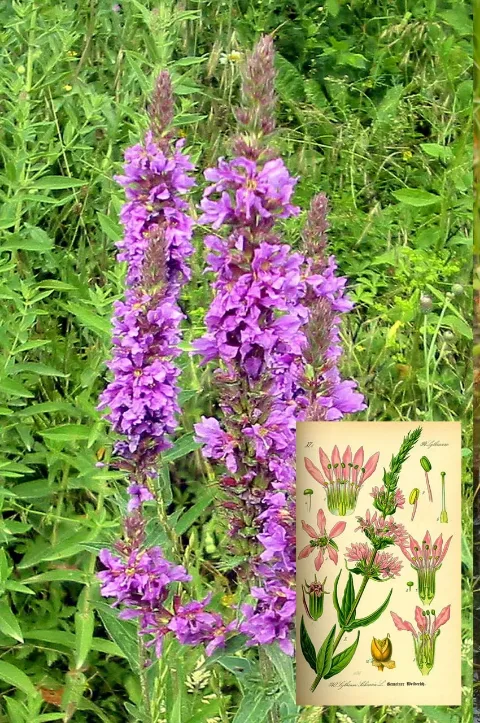
Purple loosestrife
Lythrum salicaria
Tall purple-pink flower spikes in July and August.
Whorled mint
Mentha × verticillata
Purple flower whorls. Rub a leaf between your fingers and smell the mint.
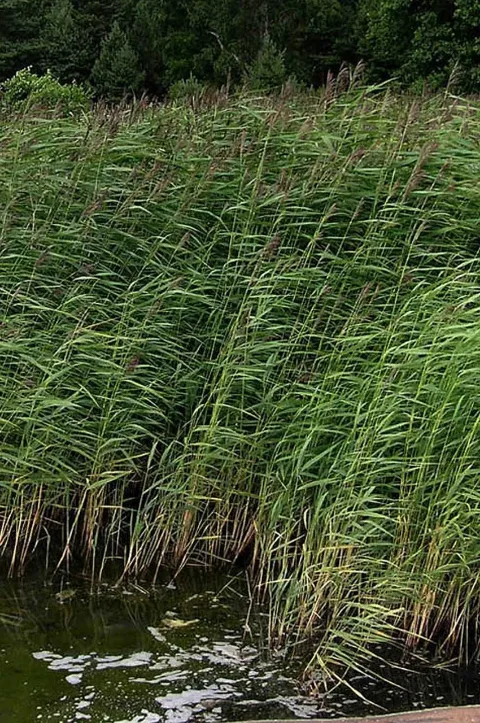
Common reed
Phragmites australis
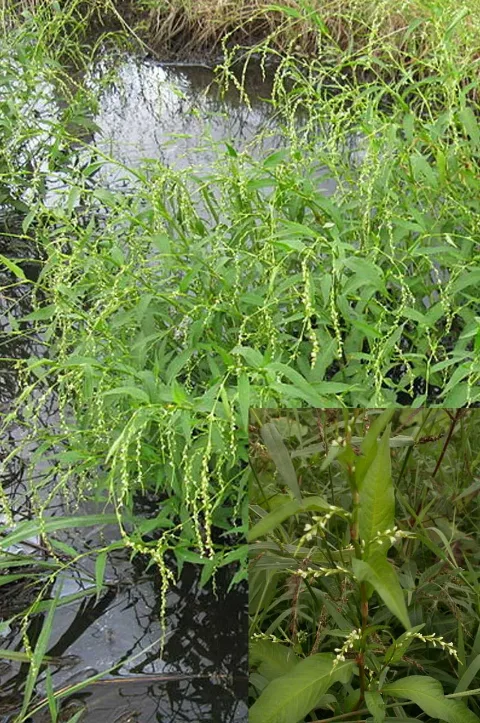
Water-pepper
Persicaria hydropiper
Small greenish-white flowers. The leaves taste sharp and peppery.
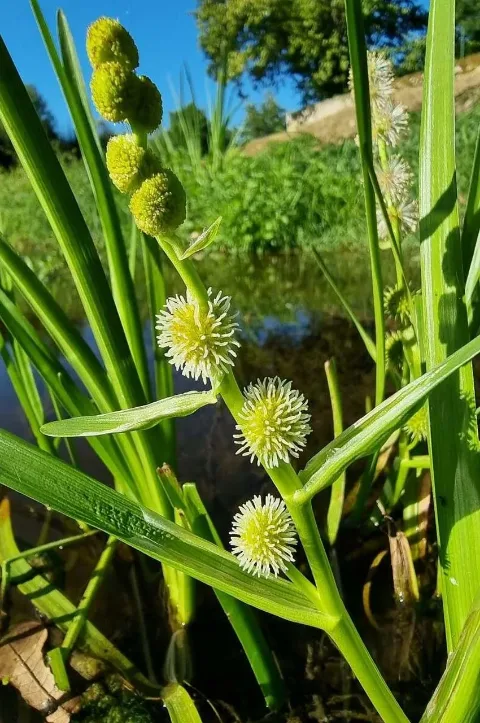
Unbranched bur-reed
Sparganium emersum
Spiky, round fruits that look like small hedgehogs.
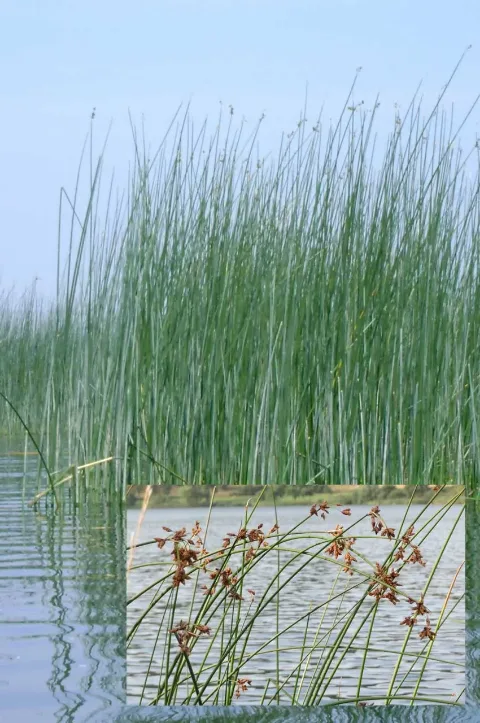
Lakeshore bulrush
Schoenoplectus lacustris
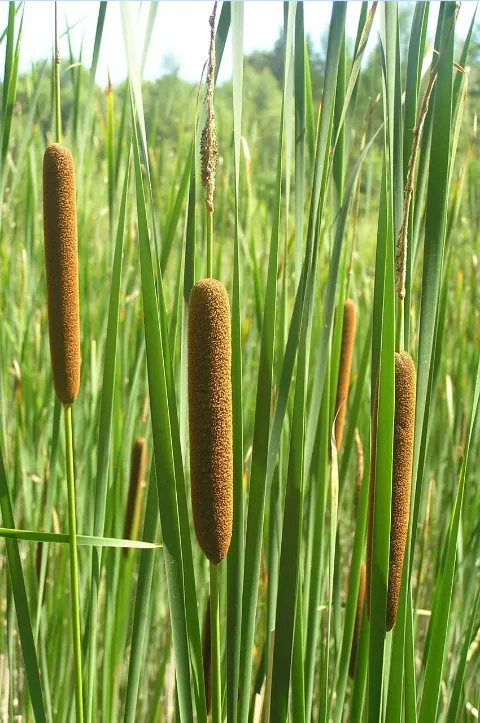
Narrow-leaved bulrush
Typha angustifolia
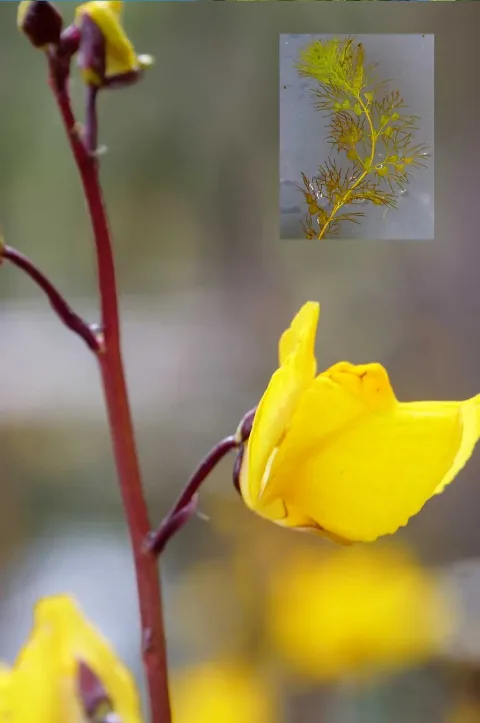
Bladderwort
Utricularia
Yellow flowers above the water. Under the surface sit small bladders that trap tiny animals, so the bladderwort is a carnivorous plant.
Mussels
Five species of large freshwater mussels have been found in the Valle lakes, and three of them live in Lake Husgärdessjön. The population is large, so on a clear day you are sure to see one from the jetty. The mussels sit buried in the bottom with their rear end up, filtering the water. They can grow old, and just as with a tree you can count the years on the rings of the shell.
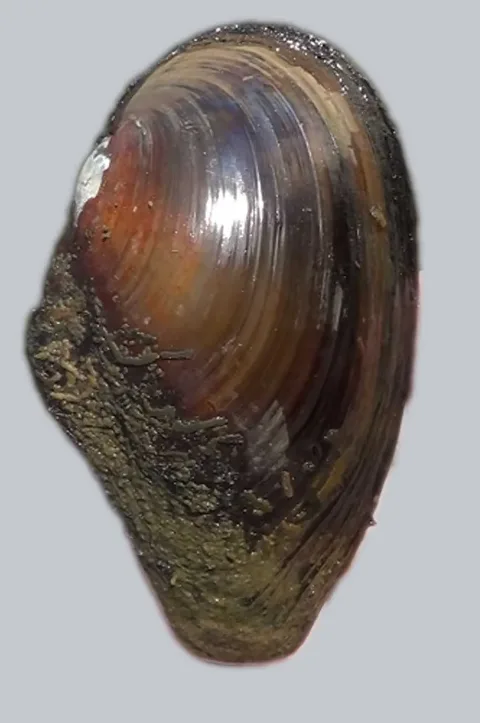
Duck mussel
Anodonta anatina
7–10 cm, yellow to yellow-green shell. The most common. The larvae need a fish to grow up on.
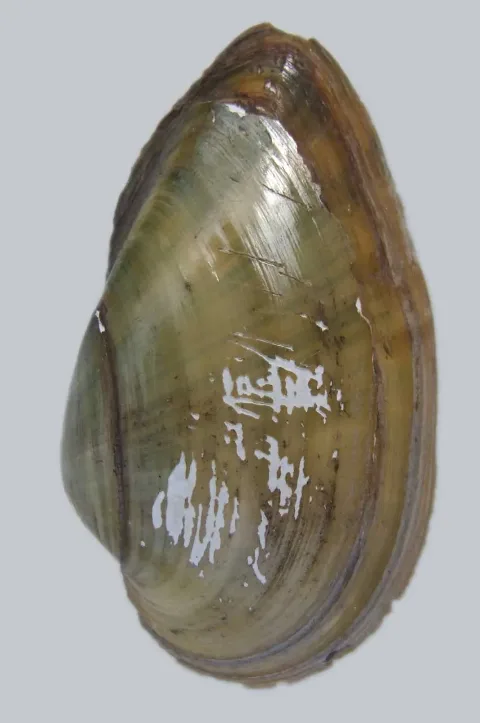
Swollen river mussel
Unio tumidus
Narrower and more pointed shape.
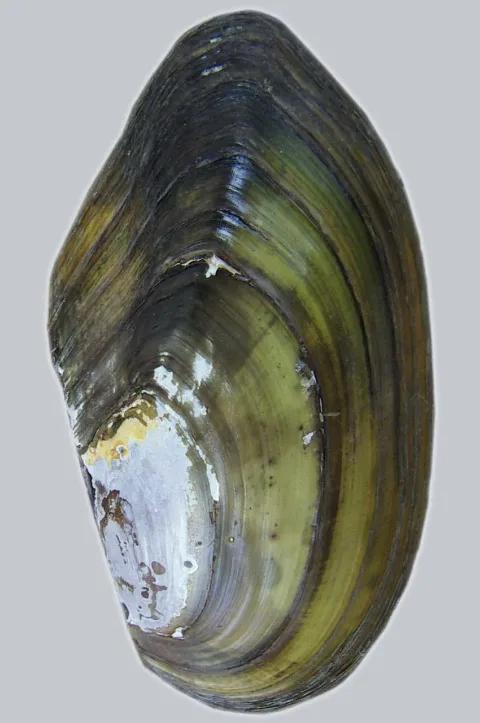
Swan mussel
Anodonta cygnea
The largest, can grow up to 20 cm.
Fish
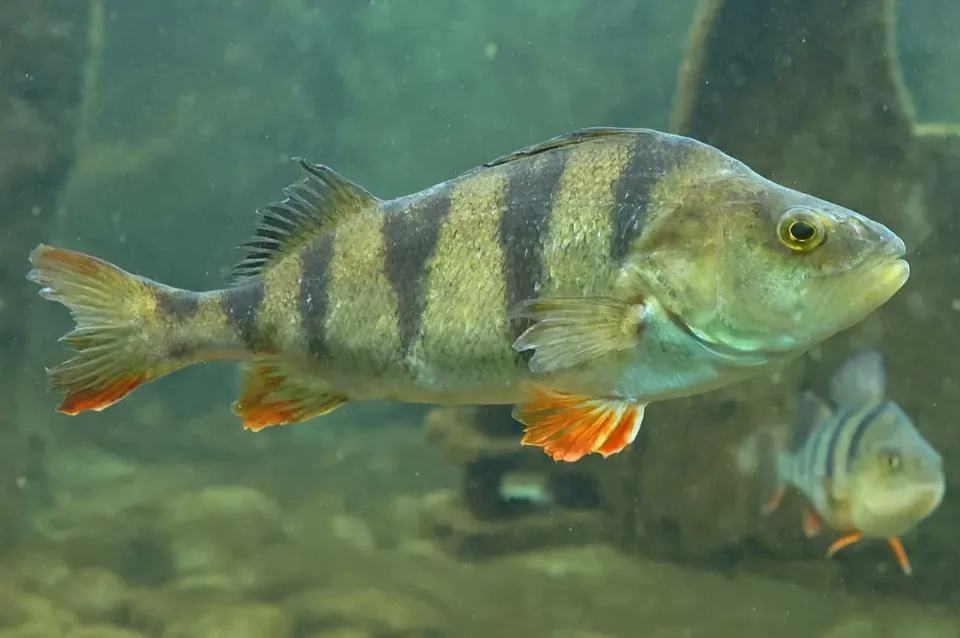
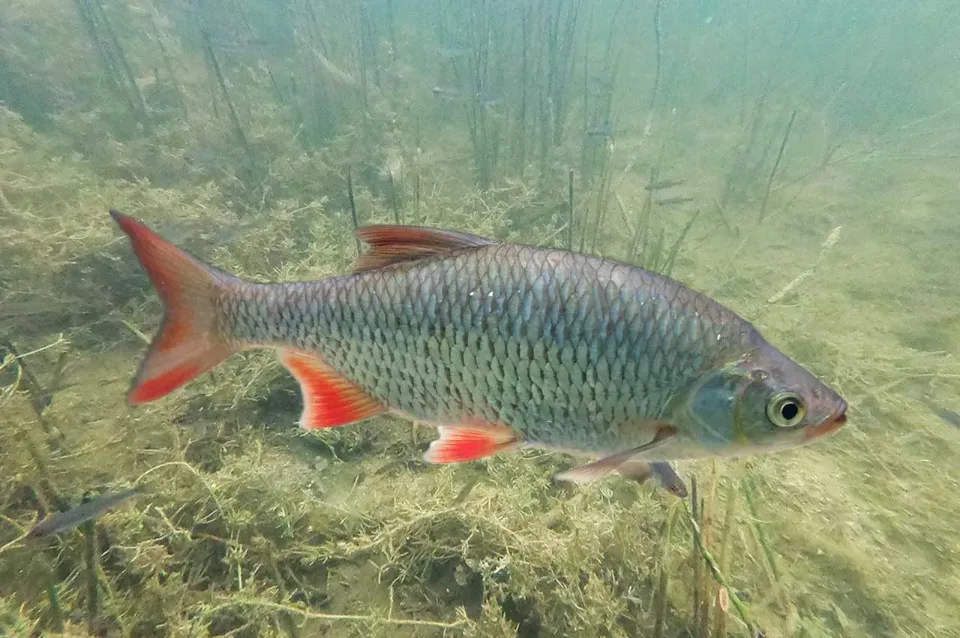
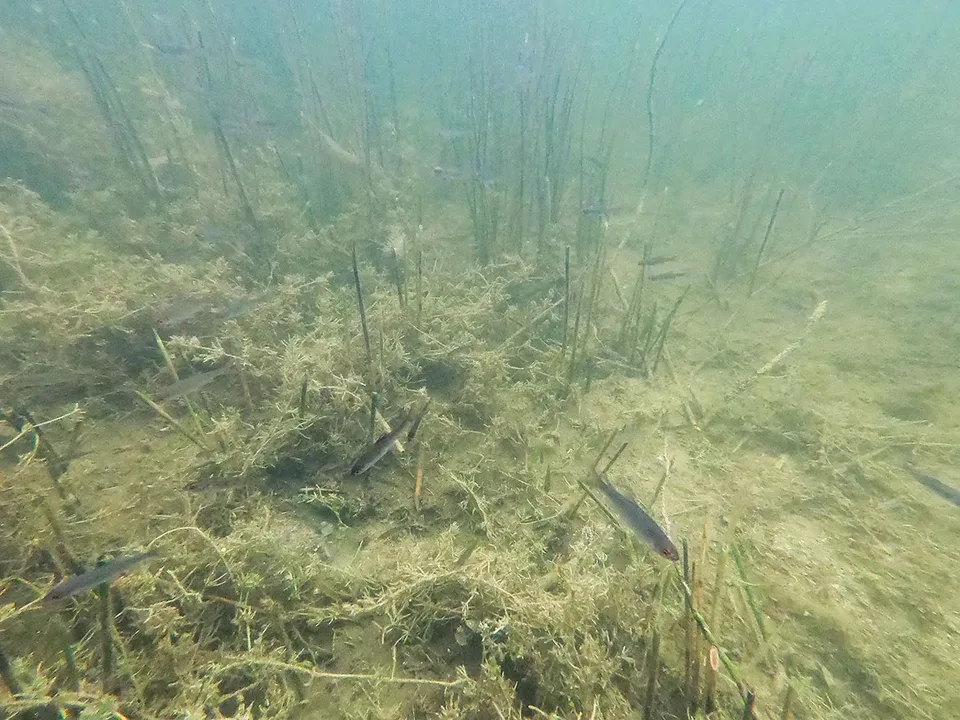
In summer small perch swim under the jetty. You recognise them by the dark stripes and the red fins on the underside. Did you know that no perch has the same stripes as another? The perch in Lake Husgärdessjön are also quite pale, because the water is so clear.
Perch
Perca fluviatilis
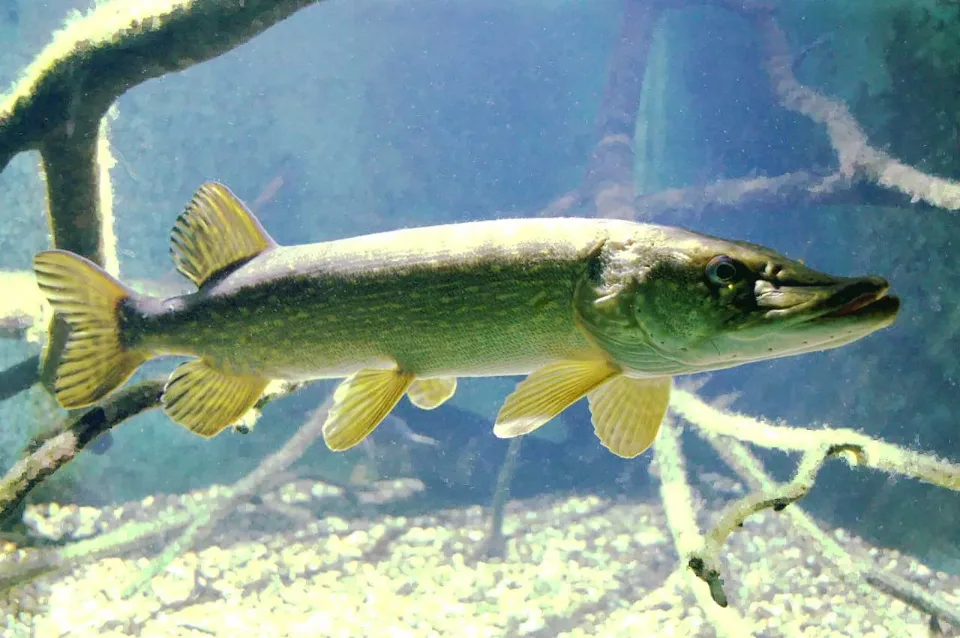
Pike
Esox lucius
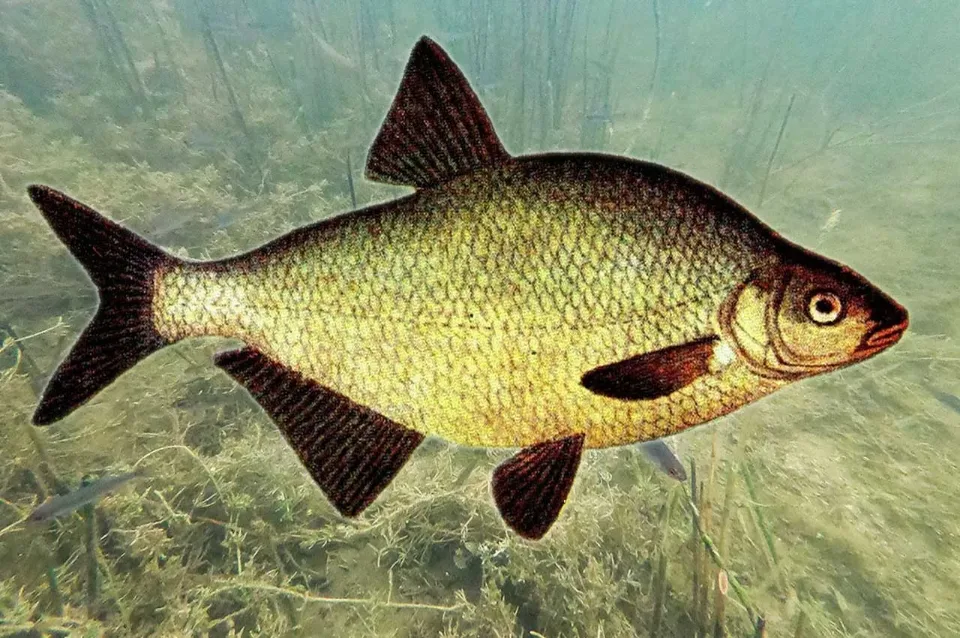
Common bream
Abramis brama
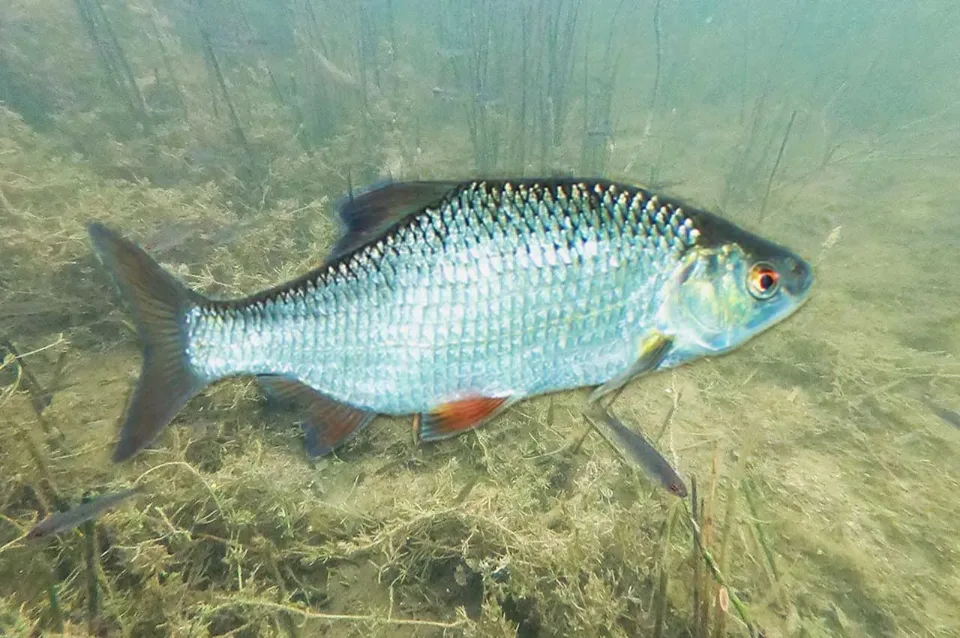
Roach
Rutilus rutilus
Rudd
Scardinius erythrophthalmus
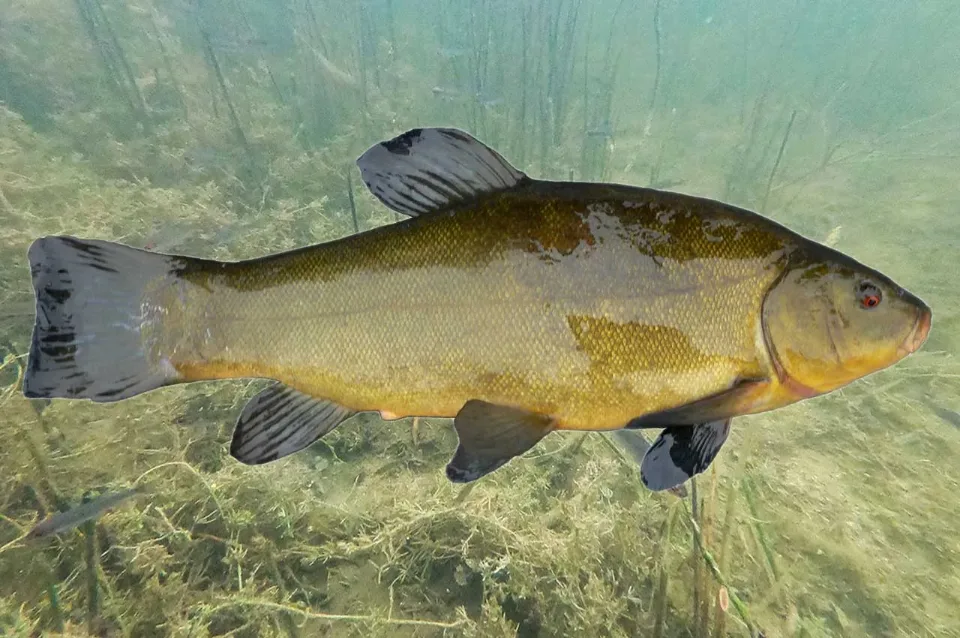
Tench
Tinca tinca
Birds
On the lake you often see grebes, herons and swans. Lake Husgärdessjön is too deep to attract many cranes, but only a few kilometres away, downstream, lies Lake Hornborga where thousands of cranes dance every spring.
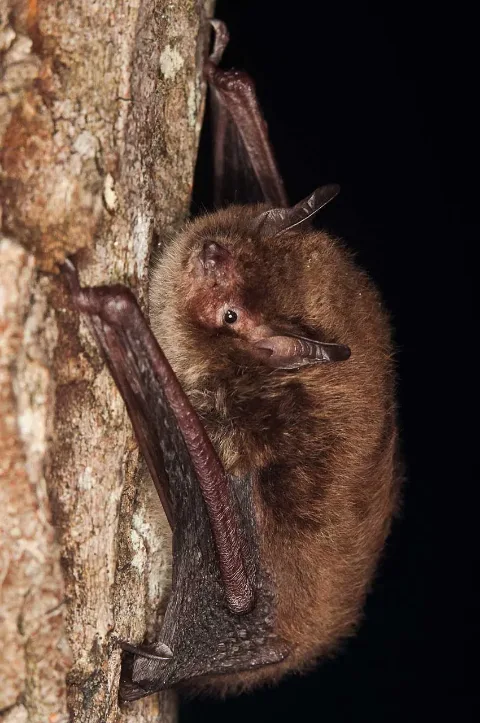
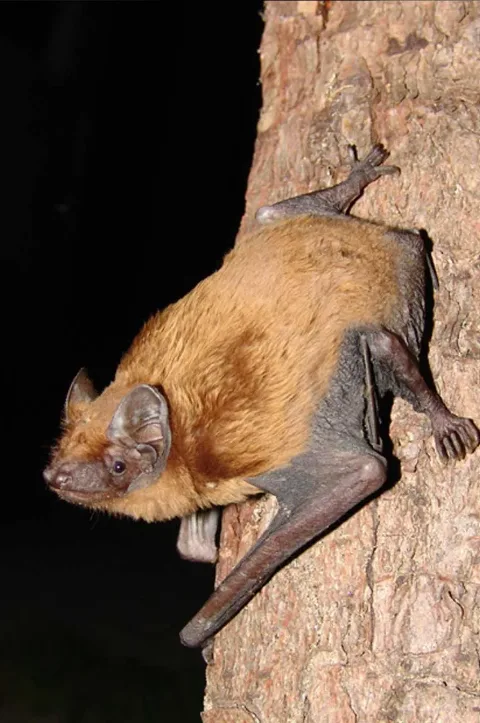
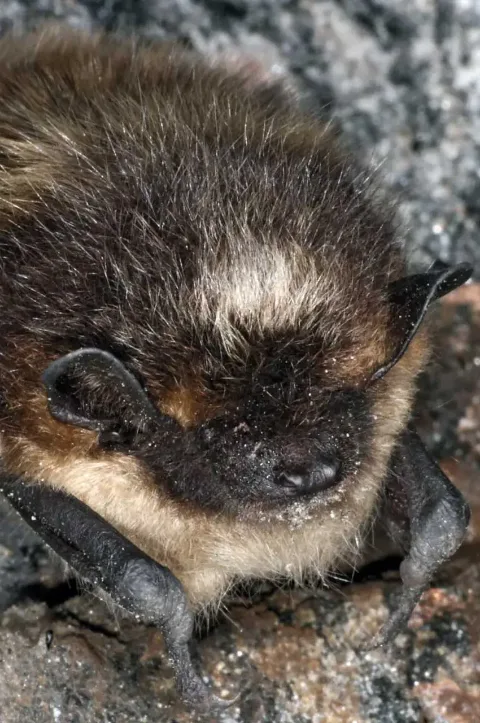
If you take an evening dip on a summer night you are very likely to have company from bats hunting insects just above the surface of the water. The Valle area is considered to have the richest bat fauna in Sweden north of Skåne. Of Sweden's 19 species, 14 have been found here, by recording their ultrasound at several places in the area.
Daubenton's bat
Myotis daubentonii
Flies low over the water and picks insects from the surface. The one you most often see by the jetty.
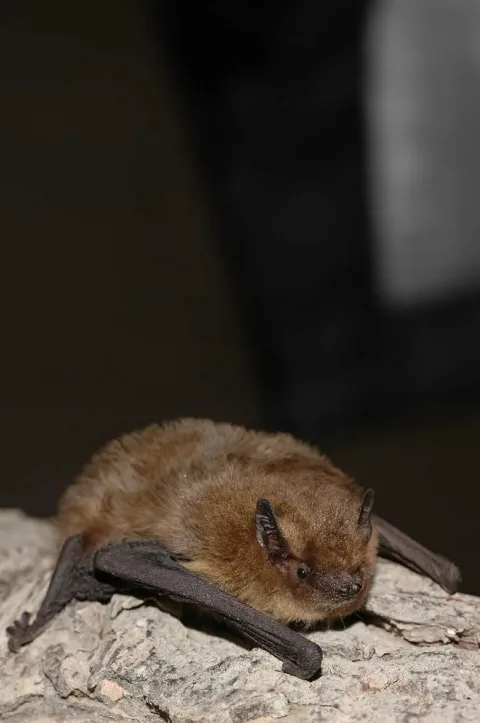
Soprano pipistrelle
Pipistrellus pygmaeus
One of the very smallest, fast and fluttery.
Noctule
Nyctalus noctula
One of the largest, flies high already early in the evening.
Northern bat
Eptesicus nilssonii
Sweden's most common bat.
Other animals
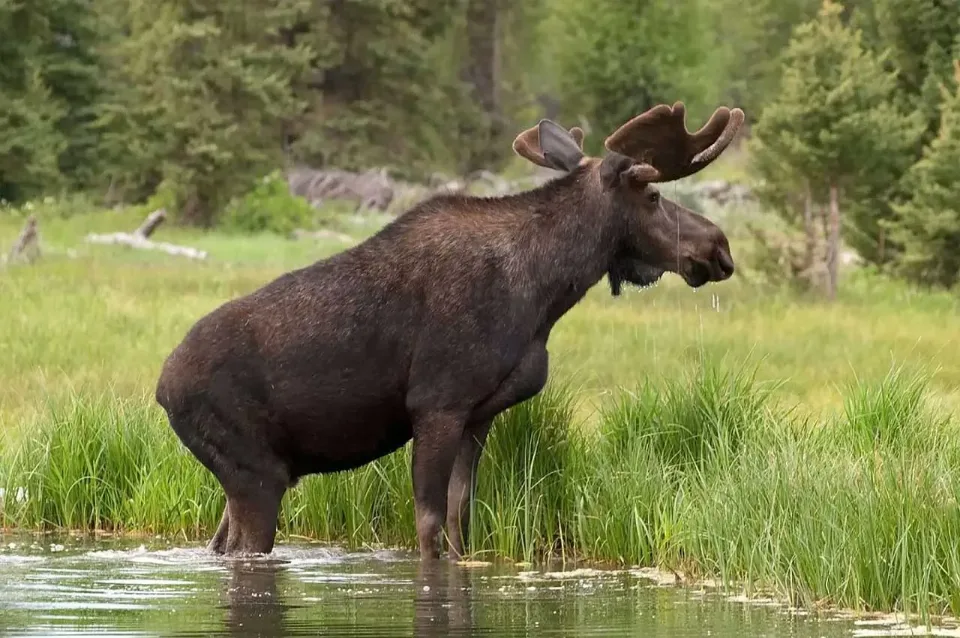
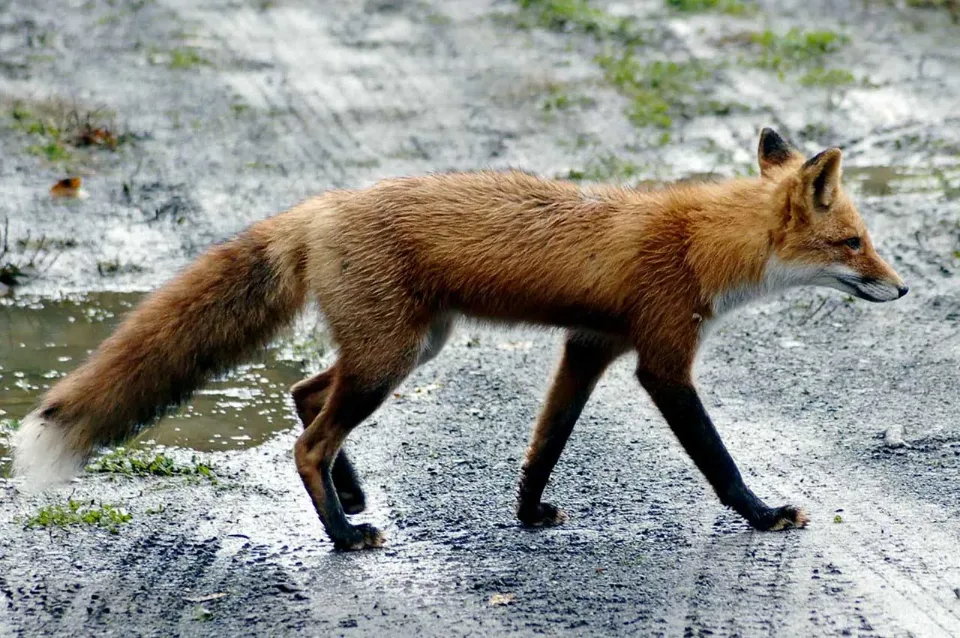
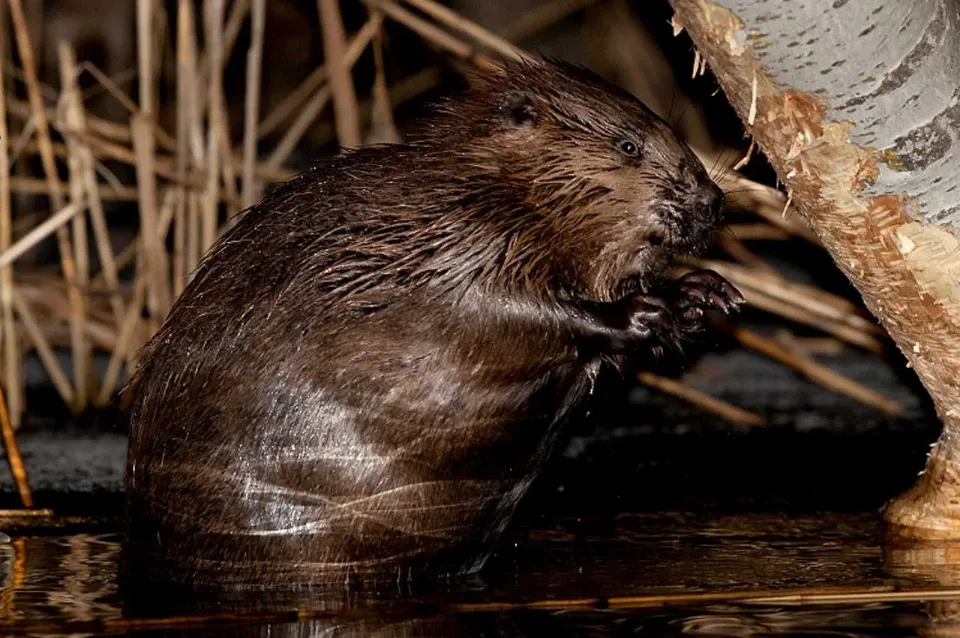
Around the lake there are roe deer and elk, and small game such as fox, badger and hare. We have also had beaver in the lake, and now and then a small marten passes by on the shore. In the water and grass there are also plenty of insects, frogs and crustaceans.
Elk (moose)
Alces alces
Red fox
Vulpes vulpes
Beaver
Castor fiber
Frequently asked questions
Why is the water in Lake Husgärdessjön so clear?
The lake is low in nutrients and rich in lime, and the water is replaced every month or two. The stoneworts on the bottom show that the lake is not over-fertilised.
Are there poisonous plants by the lake?
Yes. Cowbane is highly poisonous, and bittersweet and celery-leaved buttercup are poisonous too. Leave the plants alone, and keep an eye on the smallest children.
Can you see bats?
Yes, on a summer evening by the jetty. The Valle area is considered to have the richest bat fauna in Sweden north of Skåne.
What are the grey plants under the jetty?
Stoneworts with a crust of lime. They are alive, even though they look like stone.
 Please pick
 Poisonous
 Poisonous
 Very poisonous