Axevalla hus – the royal castle by the lake
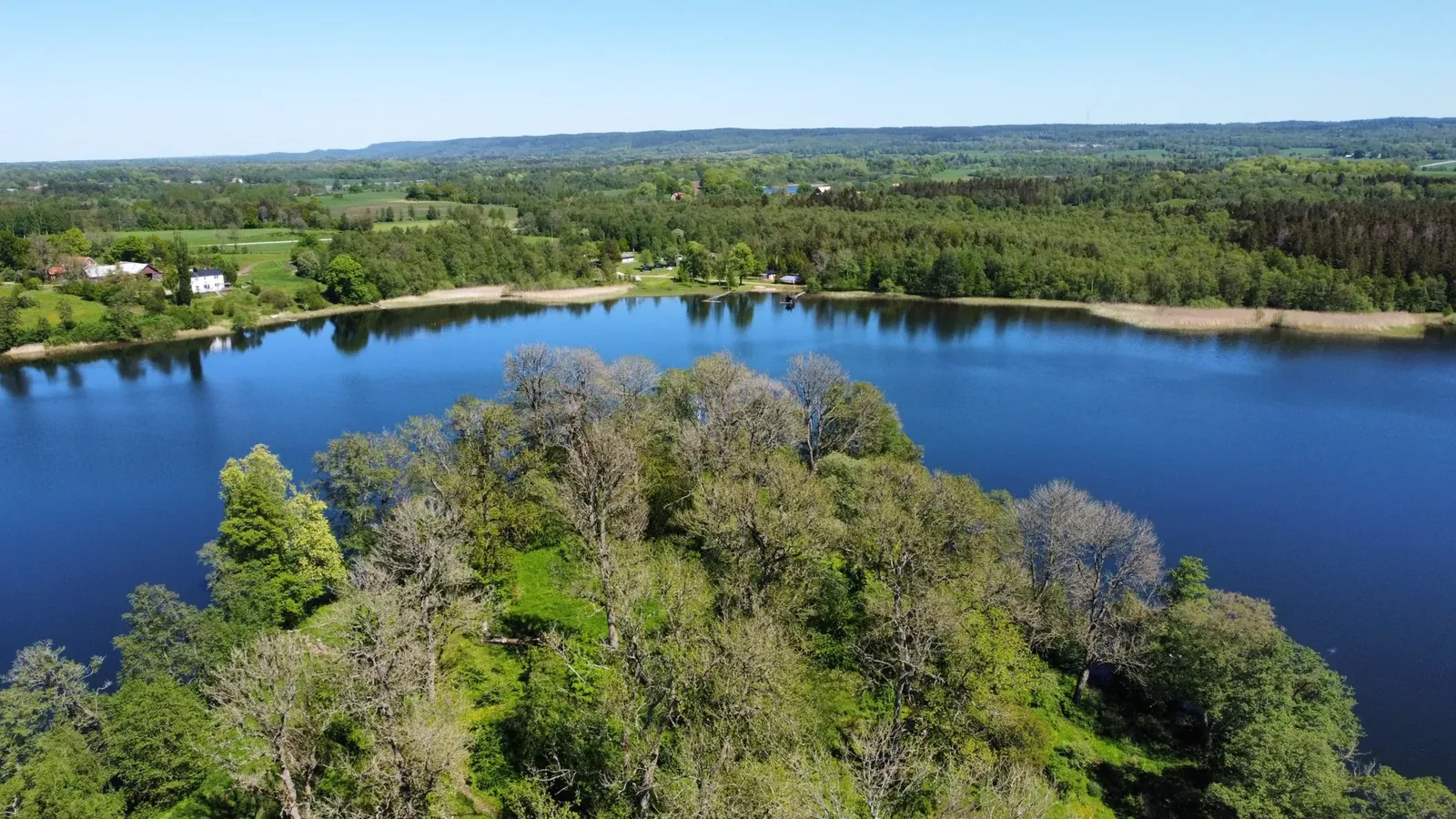
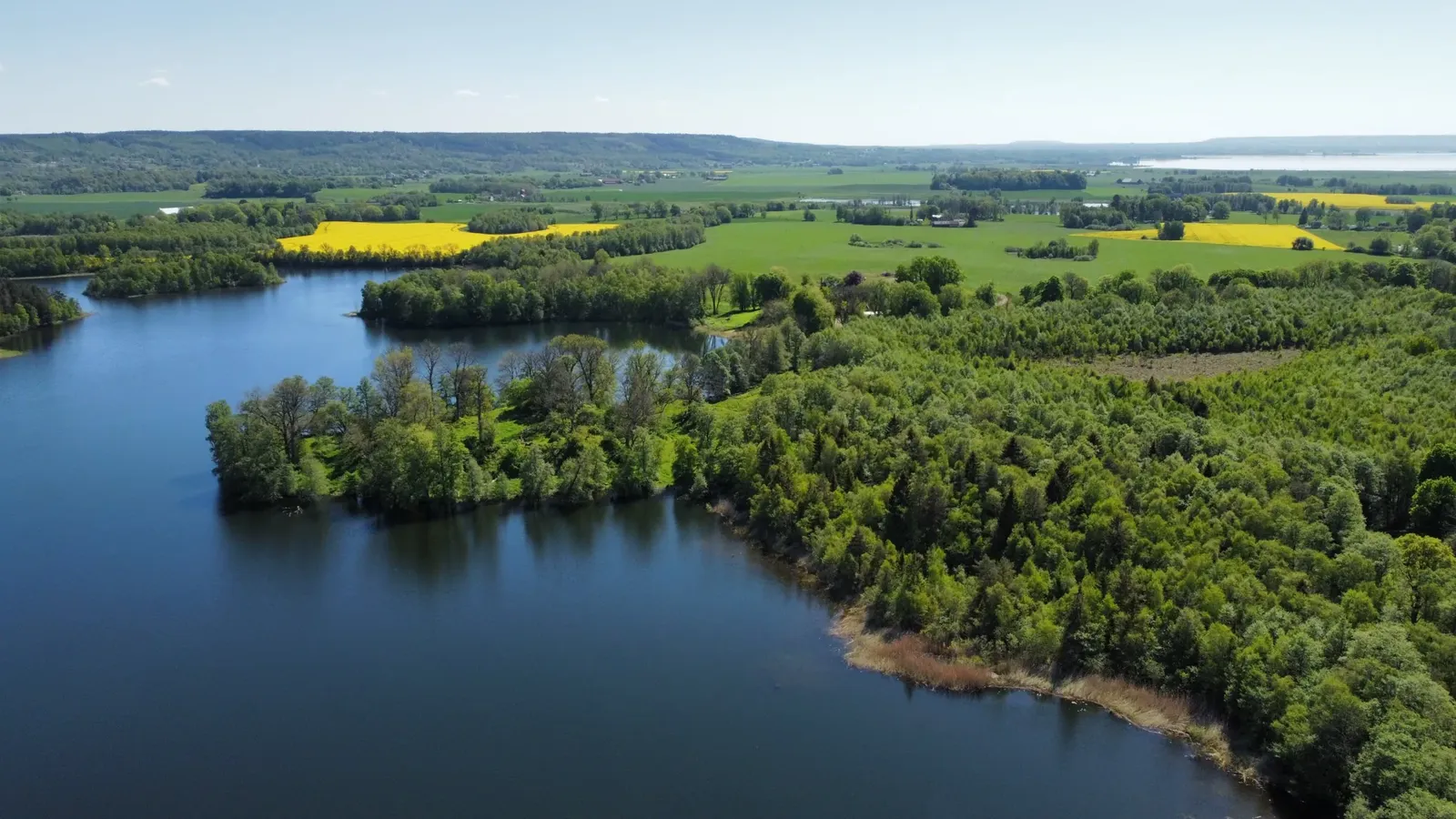
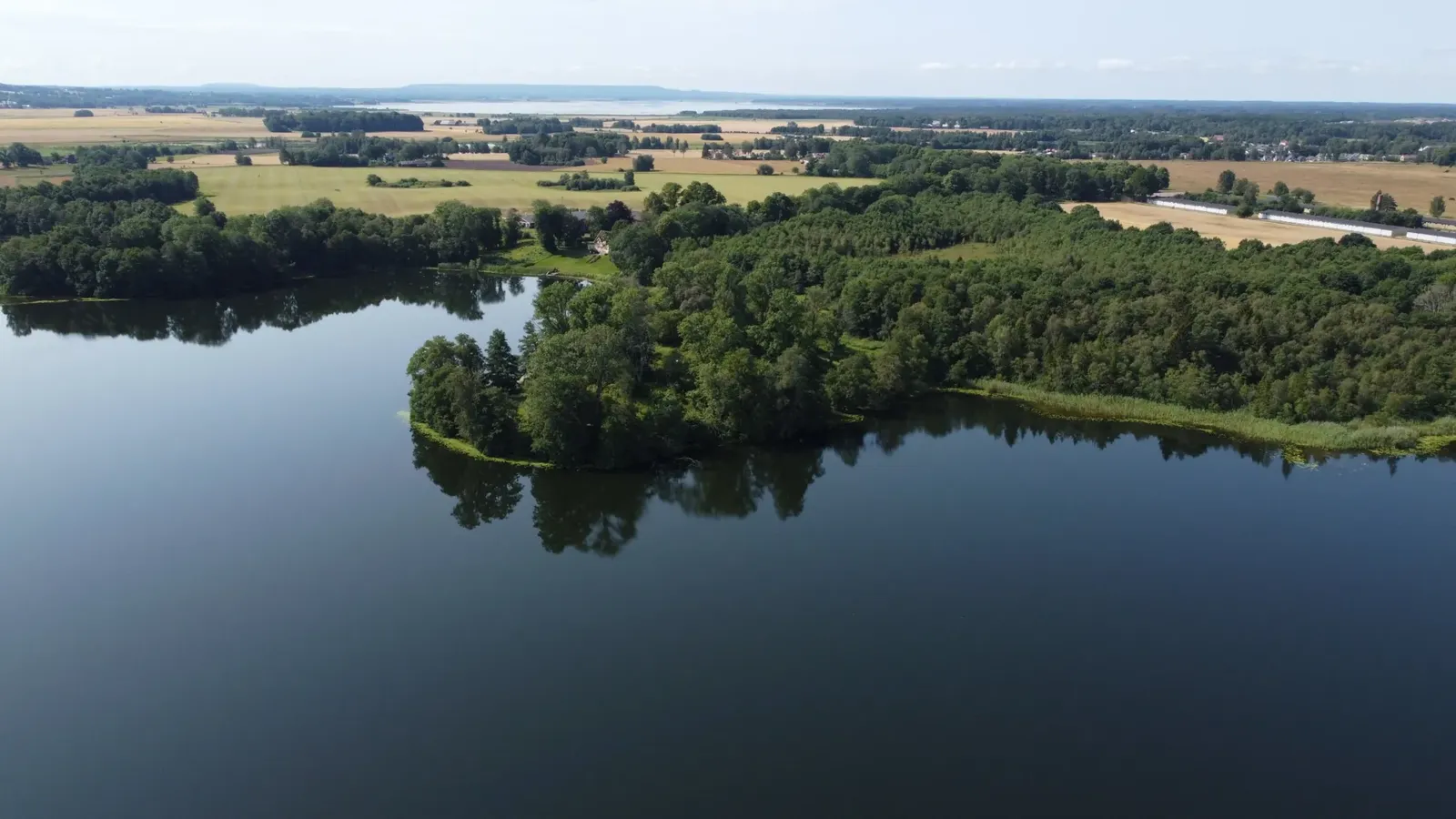
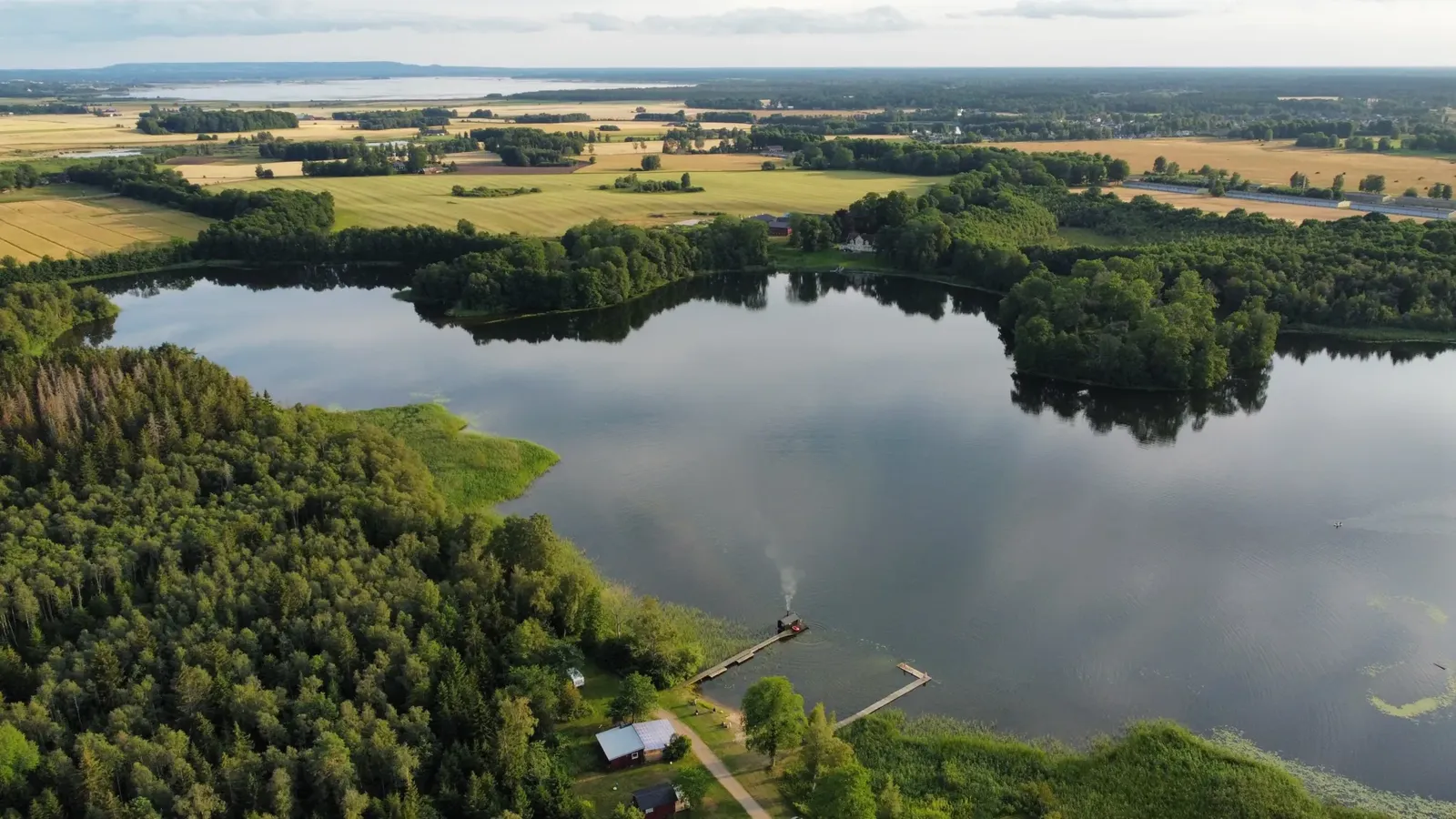
On the point opposite Valle Camping stood one of Sweden's most important castles in the Middle Ages. Kings and queens lived here, and in the end the castle was burned down by rebellious peasants. Today the ramparts, moats and oak piles in the water remain, and from our jetties you can see the point straight across the lake.
The castle on the road between Götaland and Svealand
Axevalla hus stood on the great road between Götaland and Svealand, near the pass at Billingen. Anyone travelling between the two regions came past here, and that made the place important. At the end of the 1200s the castle was probably the kingdom's largest and strongest stronghold.
The king stayed at the castle when he travelled through Västergötland, and the bailiff had his seat here. It was the bailiff who collected the taxes, and in the 1300s the whole of Västergötland and Värmland belonged to the castle's district.
The bailiffs at Axevalla were known for being harsh on the peasants, and that would in the end be the castle's fate. But before that it lived through more than most places in Sweden.
Milestones in history
- 1277
The Danish king Eric Klipping takes the castle in November and holds it until Easter 1278.
- 1288
An oak pile barrier is built in the lake to protect the castle from the water. The piles remain.
- 1313
Ingeborg Håkansdotter receives the new castle, "Nyhuset", as a morning gift when she marries Duke Eric.
- 1389
Queen Margaret's troops, about 7,000 men, besiege and take the castle.
- 1393
Margaret spends the summers at Axevalla.
- 1434
Axevalla is the only castle that resists Engelbrekt. The bailiff Anders Nilsson Mussla refuses to give up.
- 1469
The peasants burn the castle, which is never rebuilt.
- 1786–1788
The last stones from the ruin are used when Skärv church is rebuilt.
What you can see today
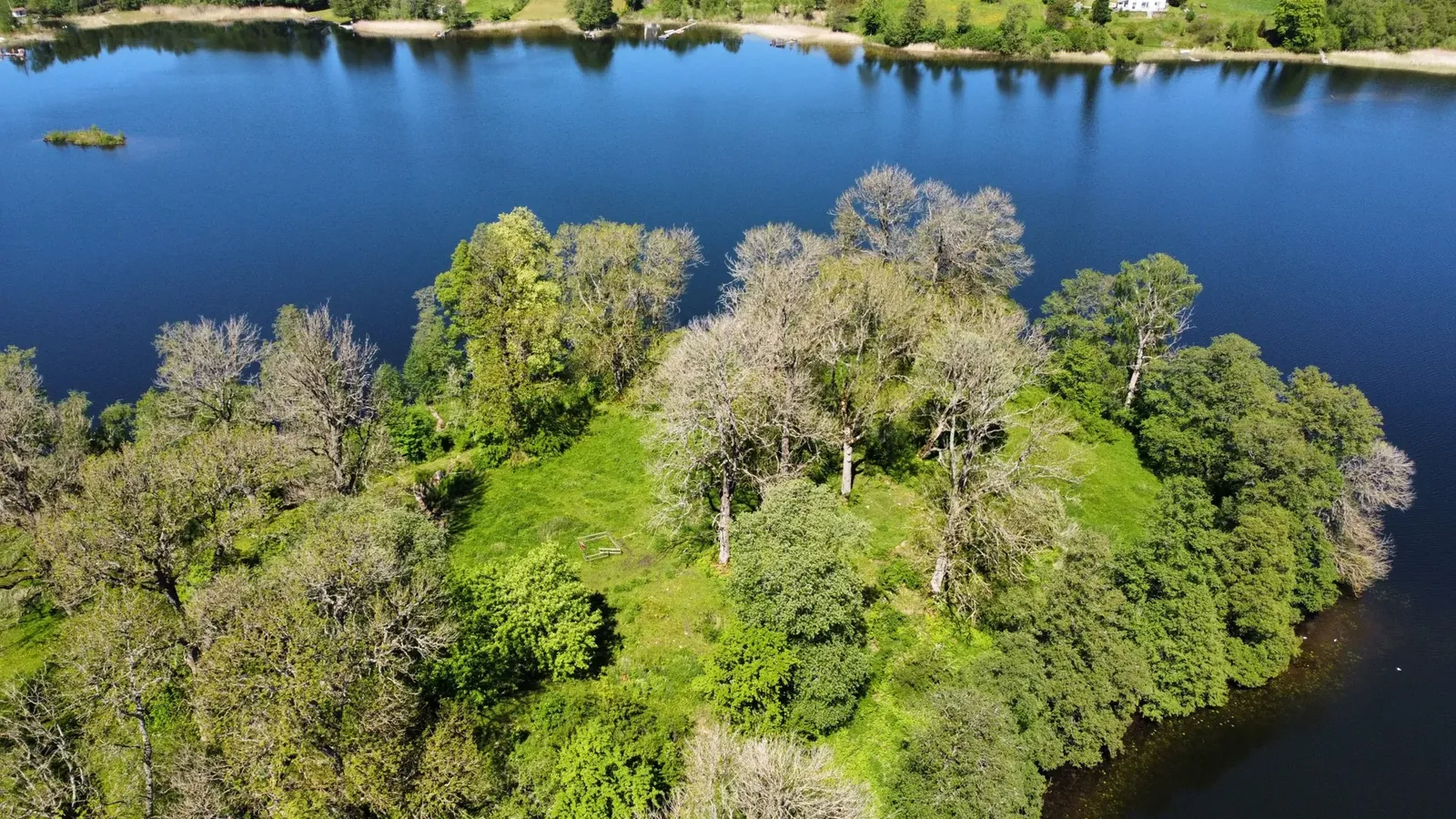
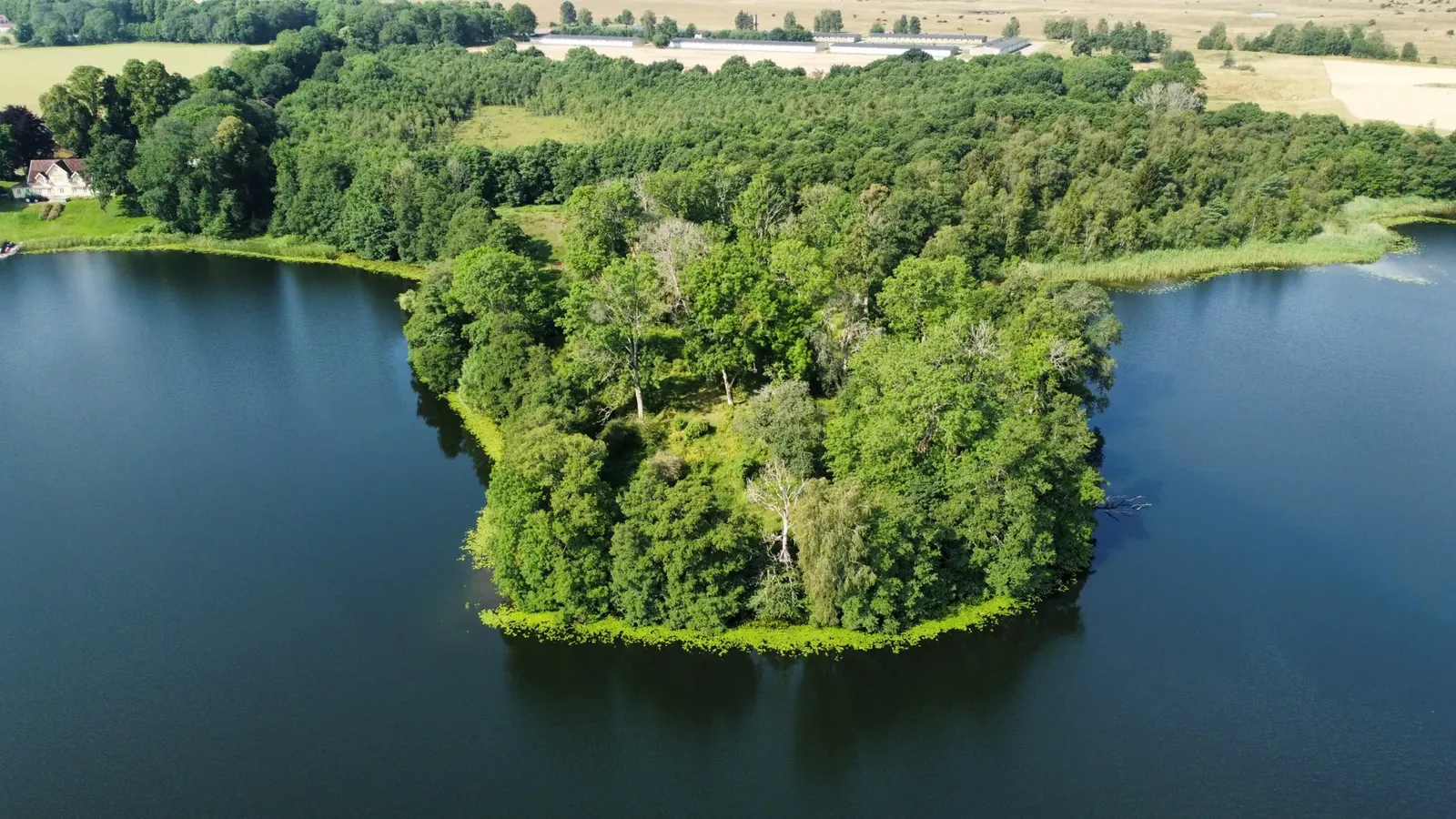
The castle has never been excavated, so most of its history still lies in the ground. What you can see are the ramparts and the water-filled moats, and the castle plateau, which is about 60 × 50 metres and rises about 5 metres above its surroundings. On a calm day when the lake is glassy you can see the oak piles from 1288 sticking up out of the water, about six metres from the shore.
Not much of the castle itself remains. After the fire the ruin was used as a quarry, and the stones ended up in new houses and churches in the area – the last ones in Skärv church in the 1780s. The only picture of the ruin is a copper engraving from the early 1700s, and it does not quite match what the castle looked like.
Getting there
From our jetties you can see the point straight across the lake, only about 250 metres away. If you want to walk there, it is about 2.5 km around the lake. The point is not set up for visitors: there is no path and the grass is high, so wear sturdy shoes and long trousers. Anyone who gets there can stand where Queen Margaret once spent her summers, and look back across the lake towards the campsite.
Legends around the castle
Stories naturally grow around such an old place. According to legend, Sigrid the Haughty lived here, the Viking queen who was married to Eric the Victorious. King Inge the Elder is said to have held court at Axevalla at the end of the 1000s. And in the area people tell of Gerhard Snakenborg, the commander who betrayed the castle and according to tradition was given the farm Aranäs in thanks. Nobody knows how much is true, but it is part of the place's history.
Frequently asked questions
Where is Axevalla hus?
On a point in Lake Husgärdessjön in Axvall, between Skara and Skövde, right next to Valle Camping.
When was Axevalla hus burned down?
Around 1469, by rebellious peasants. The castle was never rebuilt.
Can you visit the ruin?
Yes, but the place is not set up for visitors. It is about 2.5 km to walk from Valle Camping, and on the point the grass is high and there is no path.
Has the castle been excavated?
No, it has never been investigated by archaeologists.
Stay close to the castle ruins
With Valle Camping as your base, the lake, the countryside and Skaraborg are close by. Choose your accommodation and dates.